
A coffee that refuses to play it safe
Coffee processing is changing. Across the industry, producers are experimenting with fermentation in ways that would have sounded unusual only a few years ago. Limited Release #03 is our latest example: a small-lot Kenyan coffee that pushes at the edges of what coffee can taste like.
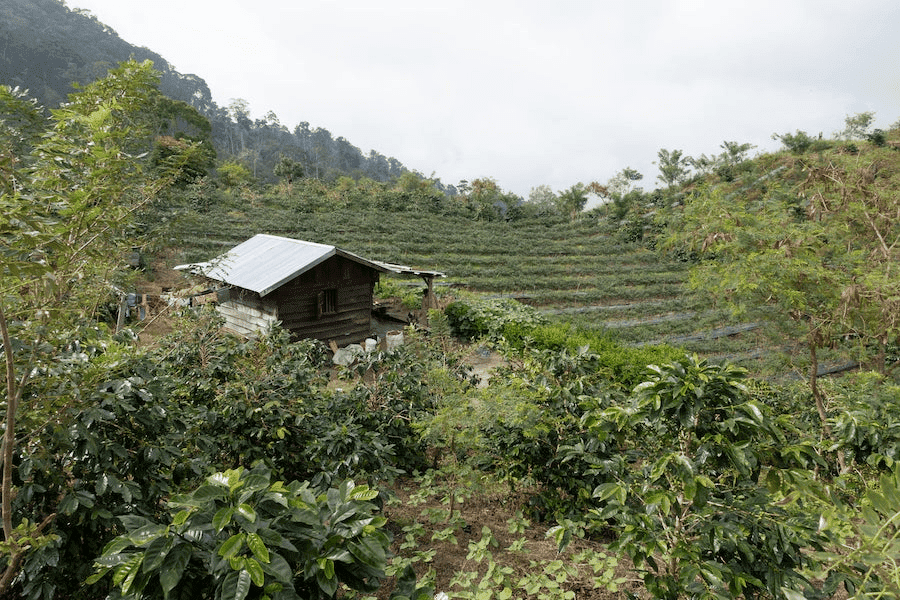
The coffee comes from smallholder farmers in Kenya’s Western Highlands and reaches us through Sidney, our Kenyan export partner, working alongside Helen Gichohi, who supplies our core-range Kenyan coffee. But what makes this lot unique happens after the cherries are picked.
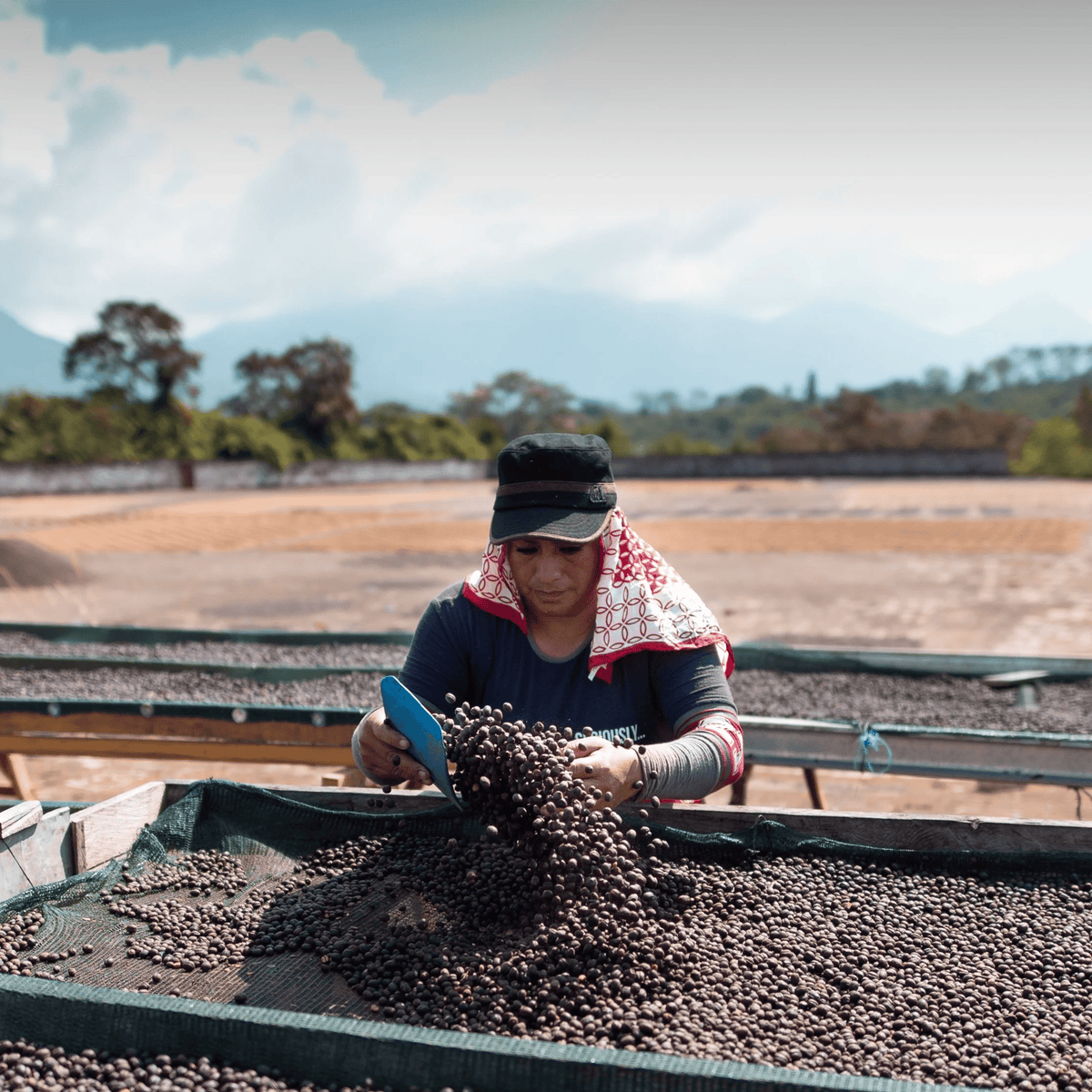
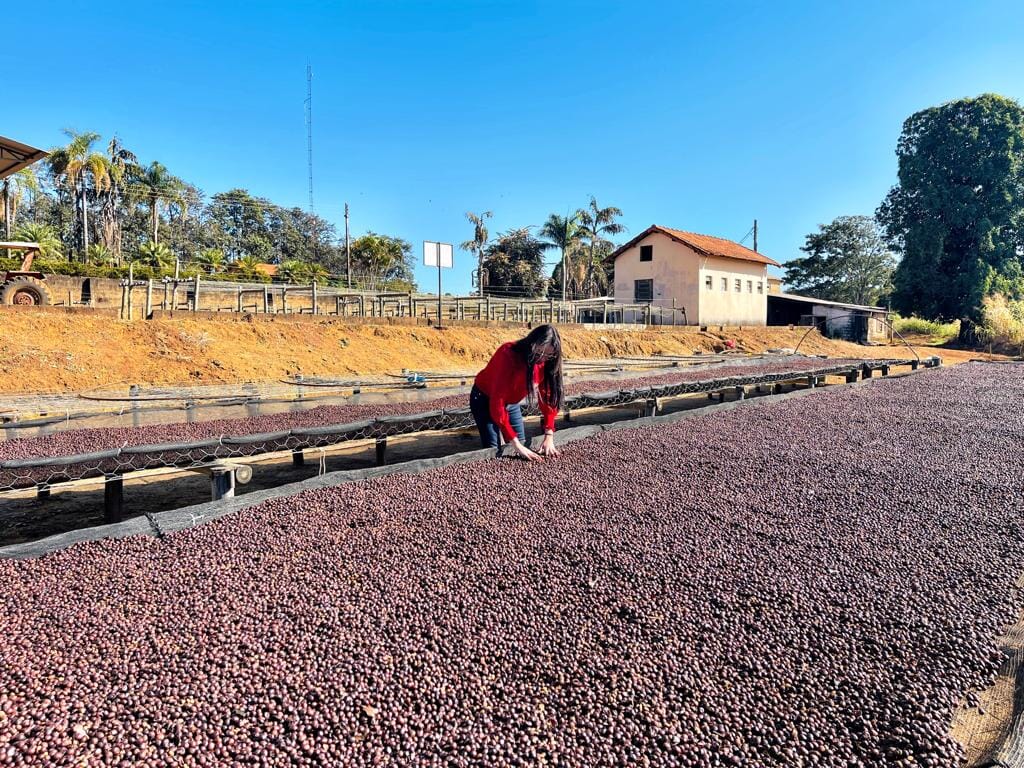
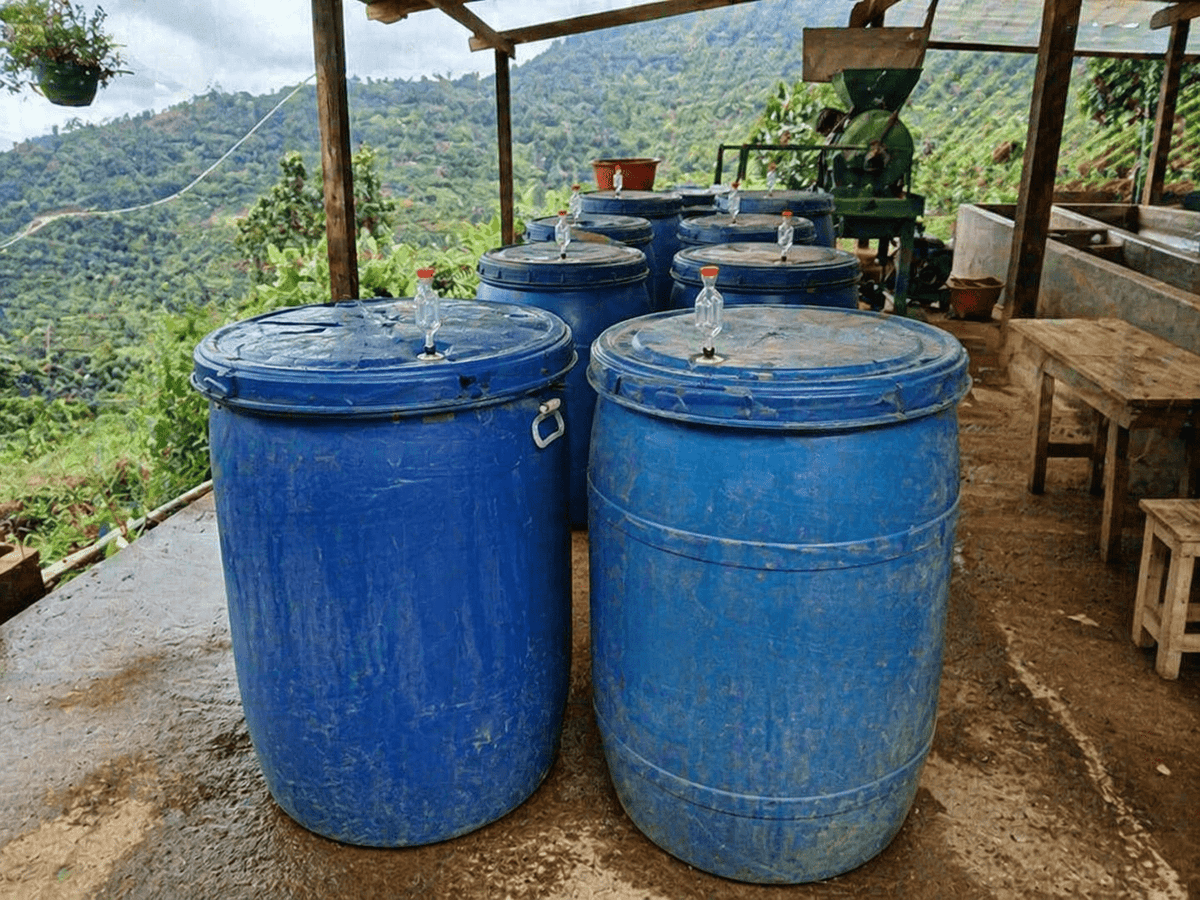
Ripe coffee cherries undergo a hybrid process combining carbonic maceration with anaerobic co-fermentation. In a low-oxygen environment, banana pulp is added during fermentation, before the coffee is sun-dried for up to 18 days.
Co-fermentation has become one of specialty coffee’s more divisive subjects. Supporters see it as an exciting tool for creating new flavours and adding value at origin; critics argue that additional ingredients can blur the natural character of the coffee.
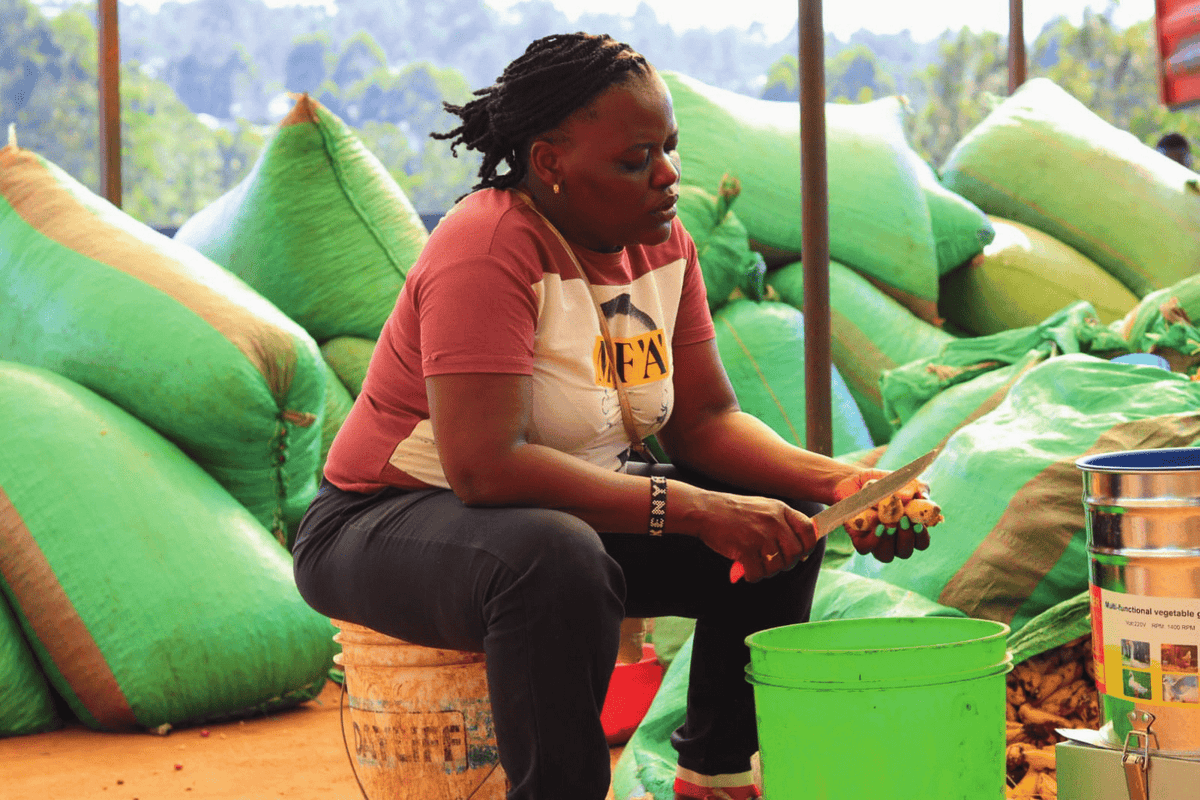
For us, transparency matters. The bananas are part of the process, and there is another side to that story worth celebrating: they are sourced from neighbouring farmers, creating an additional income stream for local families and spreading more of the value generated by the coffee across the surrounding community.
And then there is the obvious question: does it taste like banana? Surprisingly, no.
Rather than dominating the cup, the fruit helps amplify the coffee’s sweetness and lively acidity. The result is bold, aromatic and full-bodied, with a rounded, juicy character that reminds us more of orange and fig than banana.
Limited Release #03 sits firmly at the adventurous end of our range. It may challenge expectations, and perhaps that is exactly the point. It is a coffee designed to start a conversation, too.
(Field notes is a short printed update we include with subscriber deliveries, sharing what we’re seeing across the farms and coffee regions we work with)